Khalsa Chiropractic
Foam Roll Exercises
Upright posture is a challenge to maintain. Chairs, desks, and computers all conspire with gravity to round our back and shoulders forward. Stress also is often felt as a “weight of the world” on our shoulders. For all these reasons and more, upright posture is hard to maintain.
Our upright posture develops gradually from the fetal position in the womb. By 1 month of life an infant can raise the head to look straight ahead. By 3 months, an infant arches the low back into extension away from the fetal, slumped forward posture. By the end of the first year, supported upright walking is possible and by 4 years old most young children can stand upright like an adult and balance on 1 leg.
Unfortunately, excessive sitting at desks in our schools, and slouching on soft chairs and couches at home in front of the television poison this innate upright posture that we achieve. Slumping, slouching and stooping become a programmed habit. The effects of poor posture are seen everywhere, and include loss of energy, headaches, neck or back pain, pinched nerves, etc.
This self-care hand-out will show you how to utilize a foam roll to gain better conscious awareness of good posture so that this will again become a subconscious habit in all your daily activities. These exercises are designed to help you compensate for the environmental pollution of prolonged sitting and sedentarism. They act like a computer anti-virus program!
Basics of Exercise
- Exercise is generally safe
- Mild discomfort is alright
- If you feel more pain, stop the exercise
- Perform slowly, with good form
- Breathe normally
- Frequency: Twice/day
Vertical Foam Roll
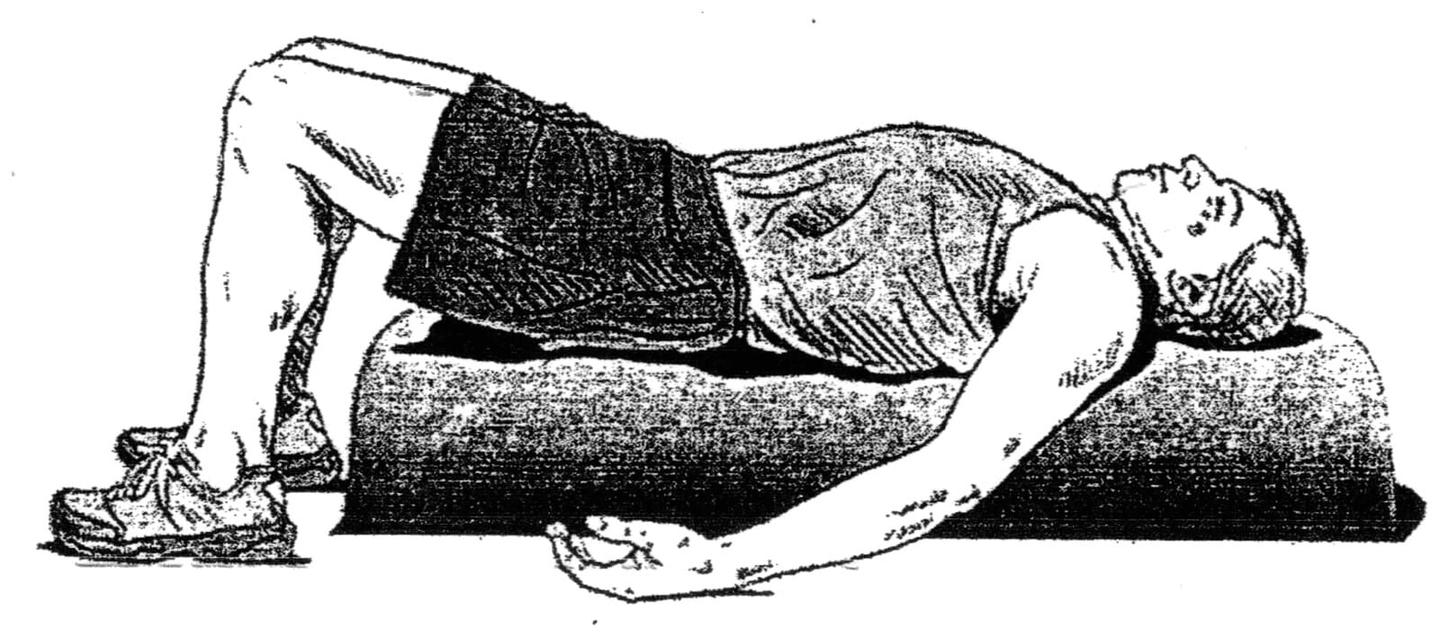
Start Position
- Start on your back
- Hands at your sides and palms up
- Breathe in and out from your abdomen
- Reps: 2–3 breaths
- What you should feel:
- Feel your abdomen moving in with each exhalation, and out with each inhalation
- Feel your shoulders falling back towards the floor
Arms Overhead
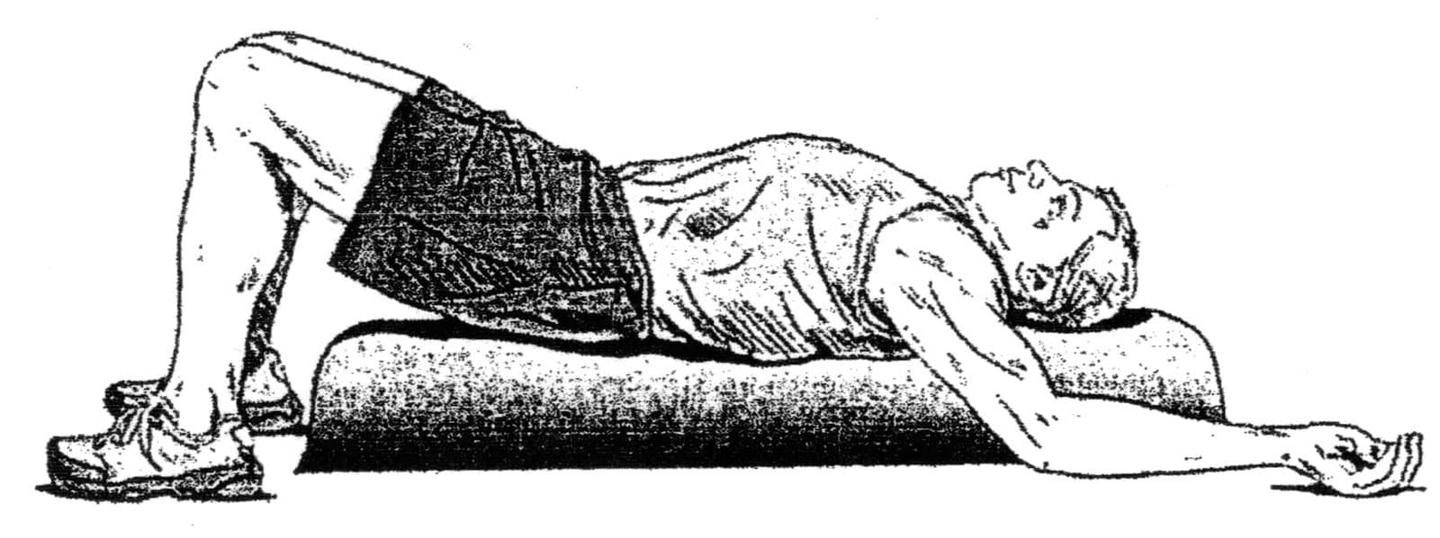
- Raise your arms overhead
- Be sure the back of your hands are on the floor
- If not, then lower your arms
- Reps: Hold for 1–2 breaths
- What you should feel:
- Feel your abdomen moving in with each exhalation, and out with each inhalation
- Feel your chest and shoulders stretching
- Note: If you feel excessive or persistent pain in the front of your shoulder(s) then lower your arms until you don’t feel discomfort
Chest Presses
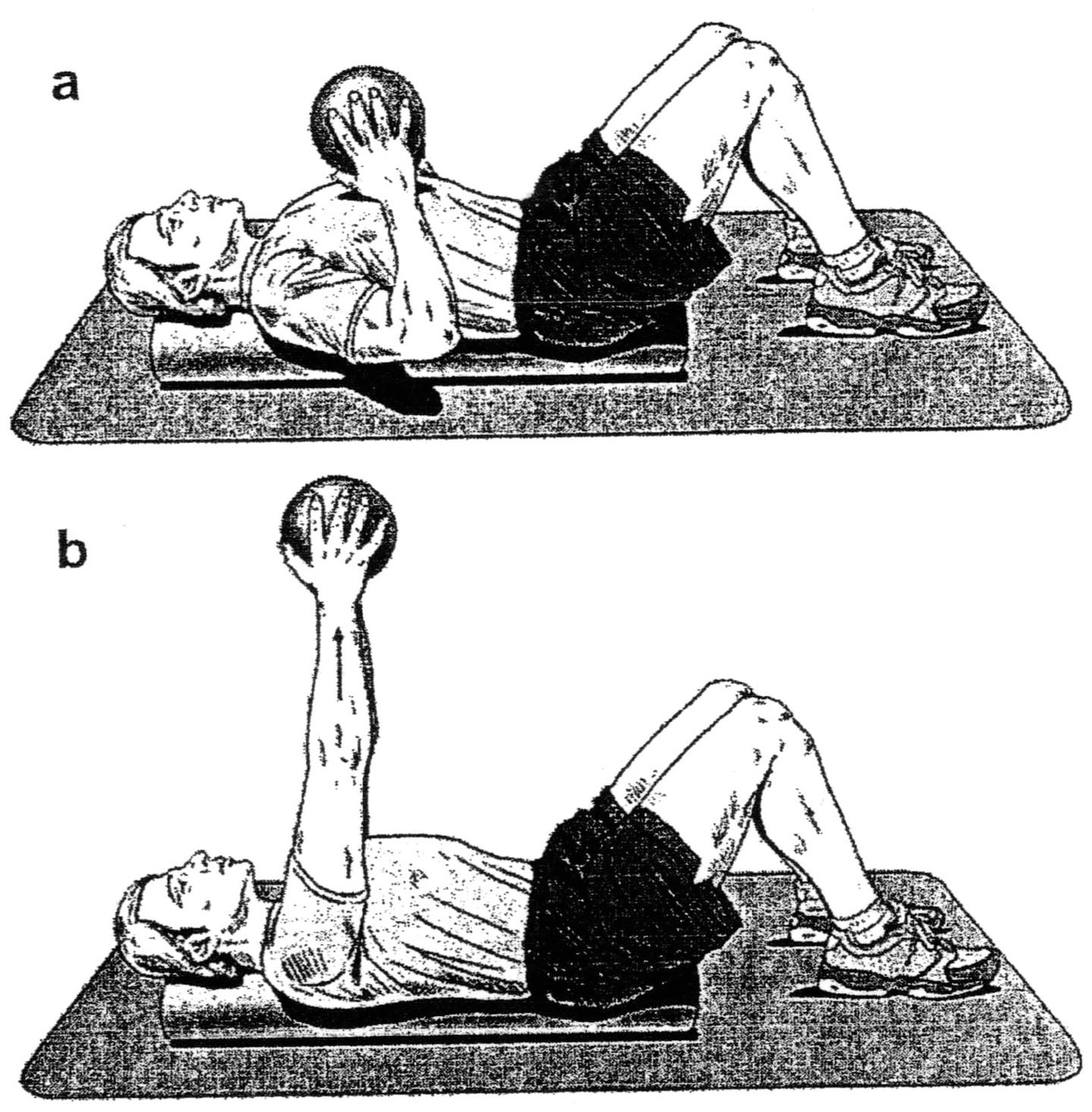
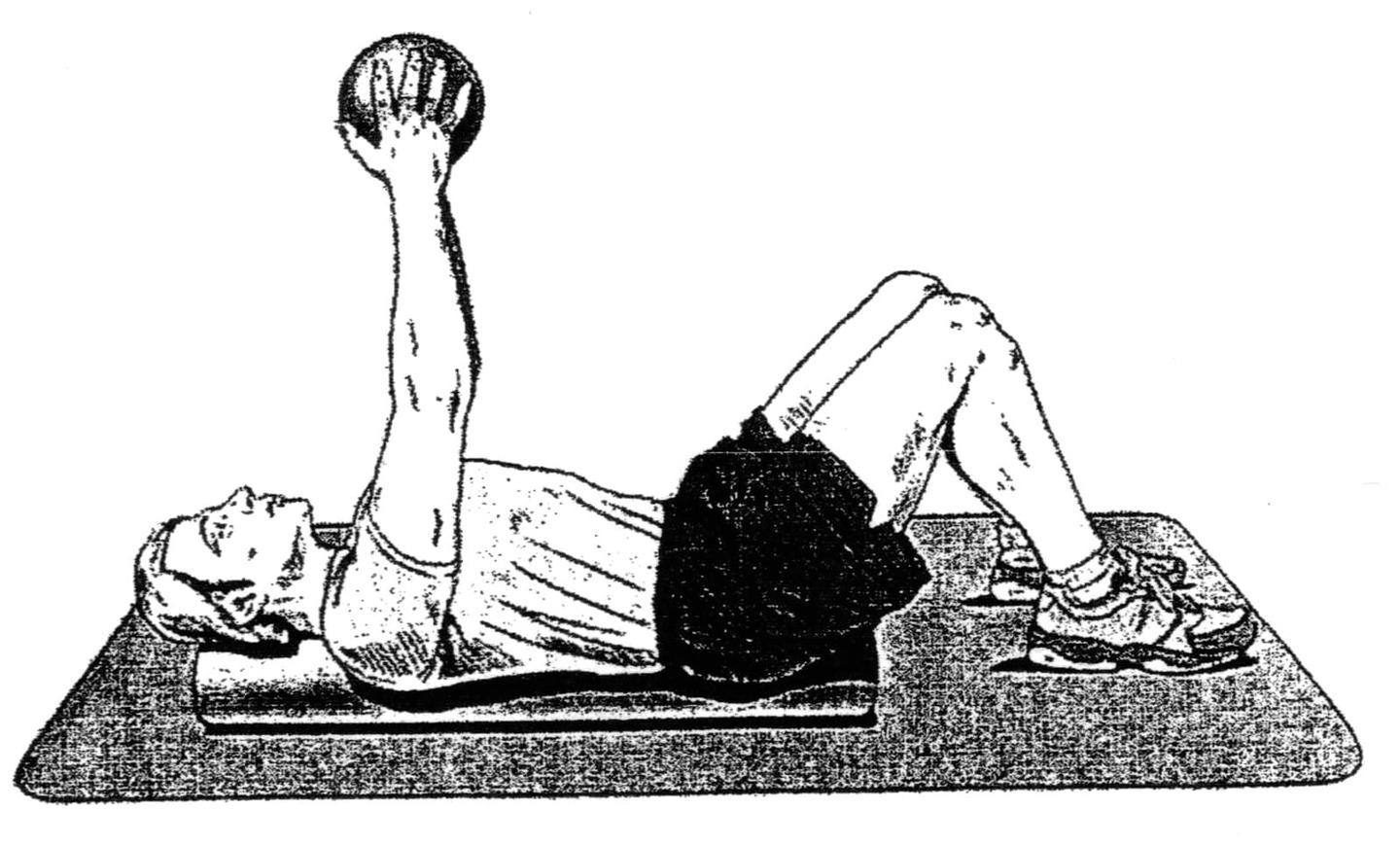
- Hold a medicine ball in your hands
- Press the ball all the way up to the ceiling
- Keep your neck relaxed on the foam roll
- Reps: Perform 5–6 repetitions
- What you should feel:
- Feel your chest and arm muscles working
- Common mistake to avoid:
- Pressing up part way (see Figure 4)
Horizontal Foam Roll
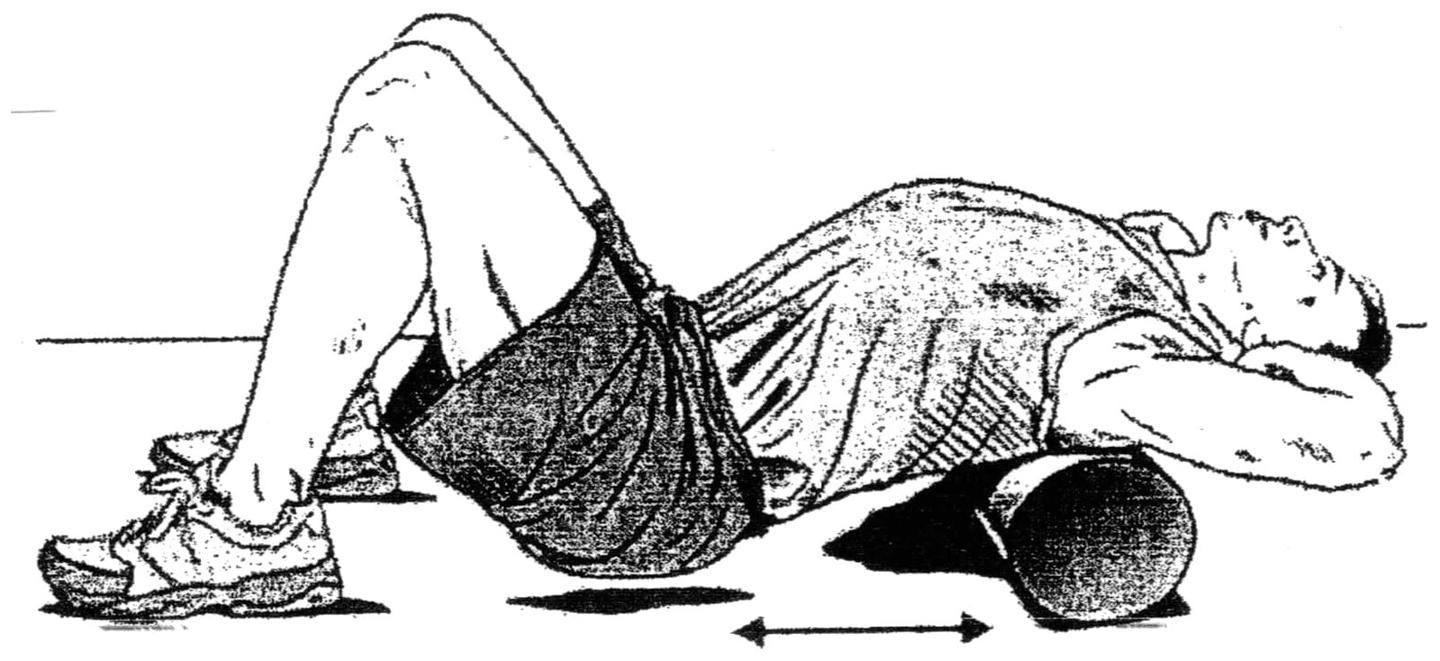
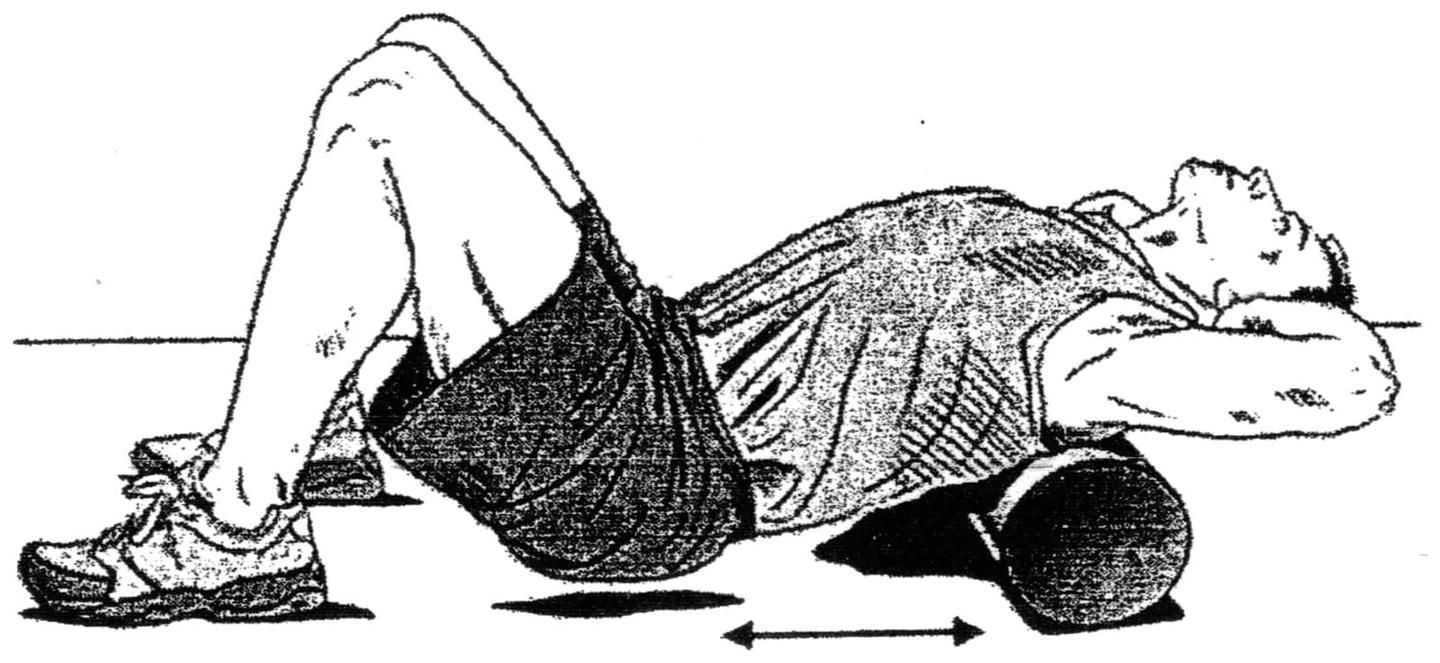
- Extend your back over the foam roll
- Keep your chin tucked in
- Stretch and roll
- Reps: Roll back and 8–10 times
- What you should feel:
- Feel your upper back stretching backwards
- Common mistake to avoid:
- Not arching back far enough
- Poking your chin out (see Figure 6)
Upper Back Cat
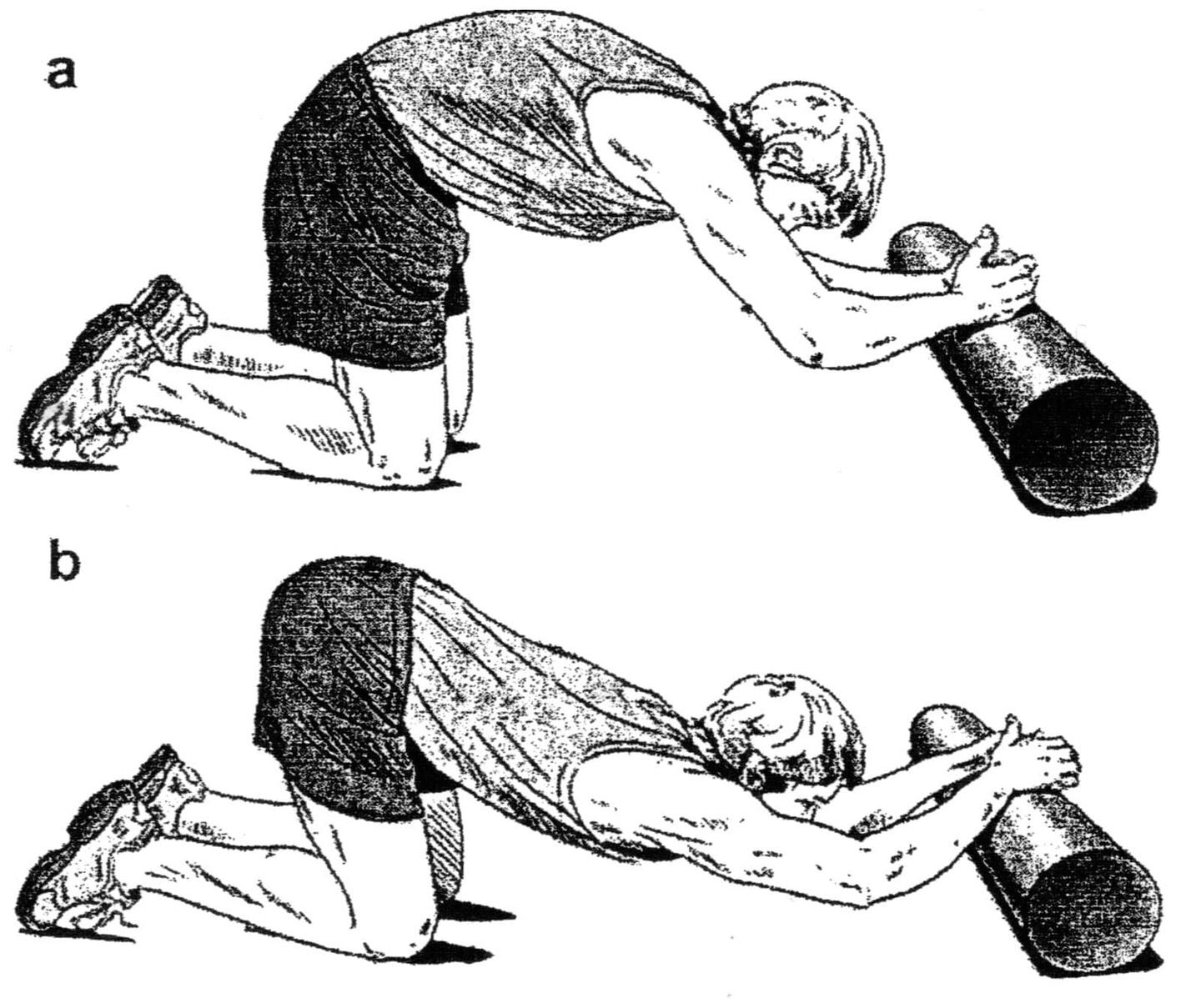
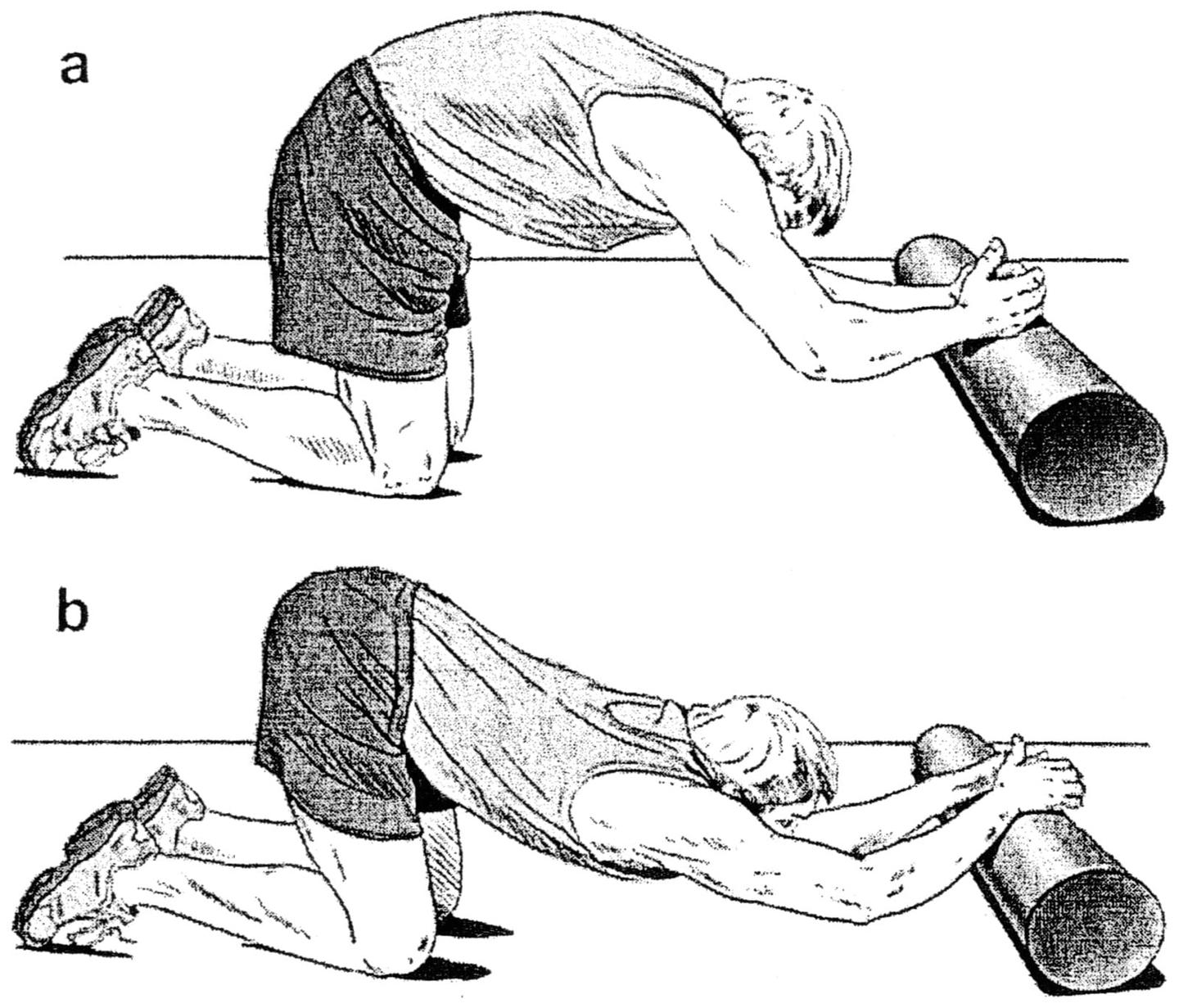
- Place your wrists on the foam roll
- Round your back up (letting your head hang relaxed) and breathe in
- Let your chest drop down and breathe out. Hold this position for another breath in and out
- Reps: Perform 5–6 repetitions
- What you should feel:
- Focus on feeling your upper back and chest stretching down towards the floor
- Feel the front of your shoulders stretching
- Common mistake to avoid:
- Shrugging your shoulders up towards your ears (see Figure 8)
- Note: If you feel excessive or persistent pain in the front of your shoulder(s) when you drop your chest down, then discontinue this stretch
Khalsa Chiropractic 5880 San Vicente Blvd Suite 101 Los Angeles, CA 90019